
As seasons change in Fullerton, California, so do the demands on your locks, doors, and security systems. Temperature fluctuations, humidity changes, and seasonal weather patterns can significantly impact the performance and longevity of your locking mechanisms. Whether you're a homeowner, business owner, or property manager in the Fullerton area, understanding how to maintain your locks throughout the year can save you from inconvenient lockouts and costly emergency repairs. At Fullerton California Locksmith, we've seen firsthand how proactive seasonal maintenance can prevent the majority of lock-related emergencies that occur throughout the year.
Understanding How Seasons Affect Your Locks
Locks and security hardware are precision instruments that respond to environmental changes just like any other mechanical device. In Fullerton, where we experience warm, dry summers and cooler, wetter winters, these seasonal shifts can cause metal components to expand and contract, lubrication to dry out or congeal, and moisture to penetrate vulnerable areas. Over time, these effects compound, leading to stuck locks, broken keys, and malfunctioning security systems.
Metal components in your locks are particularly susceptible to temperature changes. During hot summer months, metal can expand slightly, causing mechanisms to bind or stick. Conversely, cooler winter temperatures cause metal to contract, which can create gaps in previously well-fitted components. This cyclical expansion and contraction gradually wears down the precise tolerances that make locks function smoothly.
Humidity plays an equally important role in lock performance. Moisture can cause rust and corrosion in metal components, particularly in exterior locks that face the elements. Even in Southern California's relatively dry climate, morning dew, occasional rain, and sprinkler systems can introduce enough moisture to cause problems over time. Understanding these seasonal challenges is the first step in developing an effective maintenance routine.
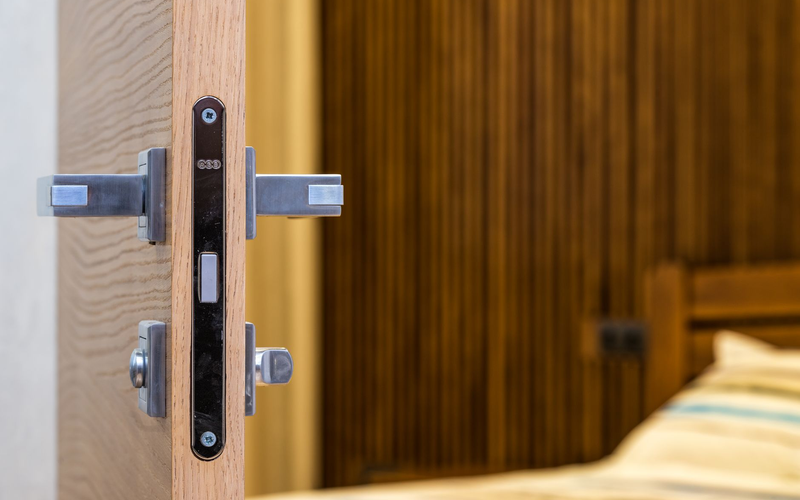
Spring Lock Maintenance Checklist
Spring represents an ideal time for a comprehensive lock inspection and maintenance session. As temperatures begin to rise and we transition from the cooler, wetter winter months, it's time to assess any damage that may have occurred during winter and prepare your locks for the warmer months ahead.
Start by thoroughly inspecting all exterior locks for signs of rust, corrosion, or moisture damage. Pay particular attention to locks on gates, garage doors, and outdoor storage units, as these are most exposed to the elements. Look for discoloration, rough spots, or any visible deterioration of the metal finish. If you notice significant corrosion, it may be time to consider lock replacement before a failure occurs.
Clean all locks inside and out using a soft brush to remove dirt, dust, and debris that has accumulated over winter. For exterior locks, use a damp cloth to wipe away any salt residue, pollen, or other environmental contaminants. Avoid using excessive water or harsh chemicals, as these can damage internal mechanisms or strip protective coatings.
Lubrication is critical during spring maintenance. Use a graphite-based lubricant or a specialized lock lubricant—never use oil-based products like WD-40, which can attract dirt and gum up mechanisms over time. Apply lubricant sparingly to the keyway and moving parts, then work the lock several times to distribute the lubricant evenly.
Test all keys in their respective locks. If a key shows resistance, sticks, or requires extra force to turn, don't ignore these warning signs. These are indicators that internal components may be wearing out or that the lock needs professional servicing. Addressing these issues now can prevent a frustrating lockout during a busy summer day.
Inspect door alignment and weather stripping. Winter moisture can cause wooden doors to swell, and subsequent drying can lead to warping. Misaligned doors put extra stress on locks and latches, accelerating wear and potentially leading to failure. Adjust strike plates and door closers as needed to ensure proper alignment.
Summer Security System Preparation
Summer in Fullerton brings extended daylight hours, vacations, and often increased foot traffic around homes and businesses. This season requires special attention to ensure your security systems can handle both the heat and the increased activity.
High temperatures can affect electronic components in smart locks and access control systems. Check that all electronic locks are functioning properly and that backup battery systems are fully charged. Replace batteries in all electronic locks and security devices, even if they seem to be working fine—heat accelerates battery drain, and you don't want to discover a dead battery during a crucial moment.
For homes and businesses with outdoor locks exposed to direct sunlight, consider installing protective covers or shields. Prolonged sun exposure can cause locks to become extremely hot, making them uncomfortable to touch and potentially affecting internal lubricants. Metal surfaces that reach high temperatures can also accelerate wear on keys and internal components.
Summer is prime vacation season, making it an excellent time to upgrade your security before extended absences. Consider installing deadbolts on doors that only have standard locks, or upgrade to high-security locks that offer better protection against picking and bumping. If you're planning to be away from your property, ensure all spare keys are accounted for and that you haven't left any hidden outside where intruders might find them.
Inspect and maintain locks on sheds, garages, and other outbuildings where you might store summer equipment like bikes, lawn mowers, and pool supplies. These structures often have older locks that haven't been serviced in years, making them vulnerable entry points for thieves who know homeowners often overlook them.
For businesses, summer often means modified operating hours or temporary closures. Update access codes for electronic locks, rekey locks if necessary after employee turnover, and ensure that alarm systems are properly integrated with your locking mechanisms. Nothing disrupts business operations more than discovering your locks aren't functioning properly when you're trying to open or close for the day.
Fall Lock Weatherproofing Strategies
As Fullerton transitions into fall, it's time to prepare your locks for the cooler, wetter months ahead. Fall maintenance focuses on weatherproofing and ensuring your security systems can withstand increased moisture and temperature fluctuations.
Begin by inspecting all exterior locks for wear or damage that may have developed during the summer heat. Look for dried-out seals, cracked weather stripping, or any signs that protective coatings have degraded. Replace weather stripping around doors to prevent moisture from reaching lock mechanisms and to improve energy efficiency as temperatures drop.
Apply a protective coating to exterior locks to guard against moisture penetration during winter months. Many hardware stores carry specialized products designed to create a moisture barrier on metal surfaces without interfering with lock operation. This simple step can significantly extend the life of outdoor locks and prevent rust formation.
Clean and lubricate all locks, paying special attention to those that showed any signs of stiffness during summer. As temperatures begin to cool, lubricants can thicken, so ensuring proper lubrication now will prevent locks from becoming difficult to operate during colder months.
Check sliding doors and windows that you may have left open during summer. Ensure that all locking mechanisms engage properly and that tracks are clean and free of debris. Sliding door locks are particularly vulnerable to dirt and dust accumulation, which can prevent them from locking securely.
Fall is also an excellent time to trim back vegetation that may have grown around entry points during spring and summer. Overgrown bushes and trees can provide cover for potential intruders and can also trap moisture against locks and doors, accelerating corrosion and deterioration.
For businesses, fall often brings changes in lighting conditions as days grow shorter. Ensure that all entry and exit points are well-lit and that lighting doesn't create blind spots where lock manipulation could occur unobserved. Consider upgrading to motion-activated lighting if you haven't already.
Winter Lock Protection and Maintenance
While Fullerton enjoys relatively mild winters compared to many parts of the country, we still experience cooler temperatures and increased rainfall that can affect lock performance. Winter maintenance focuses on protecting locks from moisture and ensuring they function reliably during the holiday season when security is paramount.
Moisture is the primary concern during winter months. Even in Southern California, morning dew, occasional rain, and higher humidity levels can introduce water into lock mechanisms. Inspect all exterior locks for signs of moisture penetration, and wipe them dry after rainfall. For locks that are particularly exposed, consider installing protective covers or awnings to shield them from direct water exposure.
Freezing temperatures, while rare in Fullerton, can occasionally occur overnight. If you have locks on gates, sheds, or other outdoor structures, be aware that even brief exposure to freezing temperatures can cause moisture inside the lock to freeze, making it impossible to operate. Keep a lock de-icer handy for these rare occasions, or use a graphite-based lubricant which is less susceptible to temperature effects than other lubricants.
Holiday decorations and increased visitor traffic can affect your locks and security systems. Ensure that decorative items don't obstruct locks or security cameras, and remind family members and employees not to prop doors open for extended periods, even during parties or deliveries. This is also a good time to ensure that all household members or employees know how to properly lock and secure all entry points.
Inspect interior locks as well during winter months. With doors and windows closed more frequently, you may notice locks that weren't problematic during warmer months when they were used less often. Test all interior door locks, including bedroom and bathroom locks, to ensure they function smoothly and can be easily unlocked from both sides.
For businesses, winter often brings year-end inventory, deliveries, and increased customer traffic during the holiday season. Conduct a comprehensive security audit to ensure all locks are functioning optimally, master key systems are working correctly, and that access control systems are properly managing the increased activity.
Year-Round Maintenance Best Practices
Beyond seasonal considerations, certain maintenance practices should be performed consistently throughout the year to keep your locks and security systems in optimal condition. Developing these habits will minimize the likelihood of emergency locksmith situations and extend the life of your security hardware.
Regular cleaning is essential for lock longevity. Once a month, wipe down all frequently used locks with a soft, dry cloth to remove fingerprints, dirt, and oils. For locks that see heavy use, such as front door locks or main business entrances, consider cleaning them twice monthly. Accumulated grime can work its way into the lock mechanism, causing wear and eventual failure.
Never force a sticky lock. If a key doesn't turn smoothly or requires excessive force, stop and address the problem rather than potentially breaking the key in the lock. Apply lubricant and work the lock gently, or call a professional locksmith if the problem persists. A stuck lock is much easier and less expensive to service than a broken lock with a key stuck inside.
Keep keys in good condition. Worn, bent, or damaged keys can damage lock tumblers and pins, leading to lock failure. If you notice a key is becoming difficult to insert or remove, or if it shows visible wear, have a new key cut from the original rather than continuing to use the worn key. Similarly, avoid carrying keys loose in pockets or bags where they can become scratched or bent.
Monitor all members of your household or business for lock-related issues. Encourage family members or employees to report any difficulty with locks immediately rather than struggling with them repeatedly. Early intervention can prevent minor issues from becoming major problems requiring emergency service.
Keep records of all lock maintenance, repairs, and replacements. Note when locks were installed, when they were last serviced, and any problems that have occurred. This information can help you identify patterns, anticipate when locks may need replacement, and provide valuable information to locksmith professionals when service is needed.
When to Call a Professional Locksmith
While regular maintenance can prevent many lock-related problems, certain situations require professional expertise. Knowing when to call a locksmith can prevent damage to your locks and doors and ensure your security isn't compromised.
Call a professional immediately if you experience any of the following: keys that consistently stick or are difficult to turn despite cleaning and lubrication; locks that don't fully engage or seem loose; visible damage to lock components; keys that have broken in the lock; or any situation where you cannot securely lock or unlock a door.
Schedule professional maintenance annually, even if you're diligent about performing your own seasonal upkeep. Professional locksmiths have specialized tools and expertise to identify wear patterns and potential problems that aren't visible to the untrained eye. An annual professional inspection is particularly important for businesses, rental properties, and homes with high-security requirements.
Consider professional rekeying services when moving into a new property, after terminating an employee who had keys, if you've lost keys, or if you suspect unauthorized key duplication has occurred. Rekeying is far more cost-effective than replacing all locks and provides the same security benefit of ensuring old keys no longer work.
Upgrade to high-security locks if you've experienced a break-in, if you live or operate a business in a high-crime area, or if you have valuable assets to protect. Professional locksmiths can assess your security needs and recommend appropriate solutions that fit your budget and security requirements.
Emergency Preparedness Planning
Despite the best maintenance efforts, lock emergencies can still occur. Having a plan in place ensures you're never completely caught off guard by a lockout or security issue.
Keep contact information for a reliable emergency locksmith readily available. Save the number in your phone and keep a written copy in your wallet or purse. For businesses, ensure multiple staff members have access to emergency locksmith contact information and that this information is included in your emergency response procedures.
Consider establishing a relationship with a trusted locksmith before you need emergency service. Fullerton California Locksmith offers regular maintenance services that not only keep your locks in top condition but also ensure we're familiar with your property's security systems should you need emergency assistance.
Maintain an inventory of all locks on your property, including their locations, types, and key codes if available. This information can significantly speed up emergency service and help locksmiths arrive prepared with the right tools and parts.
For businesses, develop protocols for lock-related emergencies during different operational scenarios. Who should be called if a lock fails during business hours versus after hours? What procedures should staff follow if they discover a damaged lock that might indicate attempted break-in? Having clear procedures prevents confusion during stressful situations.
Frequently Asked Questions About Lock Maintenance
Many Fullerton residents and business owners have similar questions about lock maintenance. Here are answers to some of the most common inquiries we receive.
How often should locks be replaced? Standard residential locks typically last 5-7 years with proper maintenance, while high-quality commercial locks can last 10-15 years or more. However, replacement timing depends more on usage patterns, environmental exposure, and maintenance than age alone. Signs that replacement is needed include difficulty operating the lock, visible wear or damage, outdated security features, or following a security breach.
Can I use WD-40 on my locks? No, WD-40 and similar penetrating oils should never be used as lock lubricants. While they may temporarily ease a sticky lock, they attract dirt and dust that will gum up the mechanism over time. Always use graphite-based lubricants or specialized lock lubricants designed specifically for this purpose.
Should all exterior locks be the same brand? While not strictly necessary, using the same brand and compatible lock series across your property allows for keying all locks alike, meaning one key can operate multiple locks. This convenience doesn't compromise security when done properly by a professional locksmith and significantly reduces the number of keys you need to carry.
How do I know if my locks are outdated from a security standpoint? If your locks are more than 10 years old, don't have anti-pick or anti-bump features, or use basic pin tumbler mechanisms without security pins, they're likely outdated. A professional locksmith can assess your current locks and recommend upgrades that provide better protection against modern break-in techniques.
Our Commitment to Fullerton's Security
At Fullerton California Locksmith, serving the community from our location at 303 W Commonwealth Ave, Fullerton, CA 92832, we're committed to helping residents and businesses maintain secure, reliable locking systems year-round. Our team of experienced professionals understands the unique challenges that Southern California's climate presents for lock maintenance and security systems.
We offer comprehensive seasonal maintenance services designed to keep your locks functioning optimally throughout the year. From basic cleaning and lubrication to complete security audits and system upgrades, we provide the expertise needed to prevent emergency situations before they occur.
Our emergency locksmith services are available 24/7 because we understand that lock problems don't always happen during convenient business hours. Whether you're locked out of your home at midnight, need immediate rekeying after a break-in, or have discovered a malfunctioning lock that compromises your security, we're here to help.
Take Action to Protect Your Property Today
Don't wait for a lock emergency to think about the security and maintenance of your locks and security systems. Implementing a regular seasonal maintenance routine will